Rubbish Removal in Tooting for Homes, Businesses and Busy Clearances
Rubbish Removal Tooting provides rubbish removal in Tooting for customers who want straightforward collection, careful loading and a tidy finish across everyday clearances. The service covers general household waste, bulky items, mixed refuse, garden cuttings, office items and other unwanted materials that can be removed without the delay of arranging separate disposal yourself. If you need a practical way to clear space, keep work moving or deal with accumulated items, this page sets out the main service areas and how they are handled.
We focus on the kind of removal work that suits homes, flats, gardens, garages, landlords and local premises, with options that can be matched to the volume and type of waste involved. For a broader look at the main service range, you can also read the services overview page, which brings the core offerings together in one place. The aim here is to help you understand what can usually be removed, what affects the work involved and when it makes sense to ask for a quotation.
There are often a few practical questions before booking: what needs clearing, how much there is and whether access is straightforward. A short description is usually enough to begin, although a simple list of item types can make it easier to match the job to the right service. If you already know the main category of waste, that helps keep the process efficient from the start.
Household Rubbish Removal and Mixed Domestic Clearances
Domestic rubbish removal is often the quickest answer when unwanted items have built up in rooms, cupboards, lofts or under-stair spaces. This can include bagged waste, broken household goods, packaging, old décor, general clutter and mixed contents that are too awkward for normal bins. The aim is to remove what you no longer need in one organised visit, rather than leaving you to sort each item into separate trips and disposal arrangements.
For properties that contain a mixture of item types, a house clearance service can be more suitable than a simple one-item collection, especially where rooms need to be cleared methodically. Domestic work usually depends on what is being removed, how easy it is to reach and whether the contents include bulky pieces such as furniture or white goods. Clear descriptions of the main items make it easier to decide whether the job is a general rubbish collection or a fuller clearance.
When you are comparing domestic clearances, it helps to think in practical terms rather than categories alone. Items that are loose, stacked or spread across several rooms may need a different approach from sealed bags or a few large objects.
- bagged or loose general waste
- old furniture and household fittings
- mixed clutter from one room or several rooms
- items that need separating from reusable contents
Garden, Garage and Loft Clearance Work
Outdoor and storage areas often collect waste in ways that are easy to postpone but awkward to manage later. Garden rubbish removal may involve branches, hedge trimmings, leaves, soil in manageable quantities, plant waste, damaged outdoor items and assorted bags from a tidy-up. The useful part of a dedicated garden collection is that it deals with the mixture of organic and non-organic material together, so you do not have to split every pile into separate removal tasks.
Storage spaces can need a different approach. A garage clearance is often about clearing old boxes, redundant tools, broken household items and items that have been moved out of the way and forgotten. Loft clearances usually involve lighter but awkward contents, including old decorations, stored furniture pieces, bags and long-kept belongings that must be removed carefully from restricted access points. In both cases, the work is usually guided by the amount of material and the shape of the space rather than by the label on the room.
For these areas, it is worth distinguishing between waste that can be loaded quickly and items that need a bit more handling. A loft with a narrow hatch, or a garage that has been used as storage for years, may require more time than the item count suggests. Access and layout therefore matter just as much as the contents, and they help determine whether the job is better treated as a clearance, a collection or a fuller removal visit.
Furniture, Office and Bulky Item Disposal
Some jobs are mainly about large individual items rather than general clutter. Furniture disposal can cover sofas, tables, wardrobes, beds, cabinets and other bulky pieces that are difficult to move or no longer practical to keep. Handling these items properly matters because size, weight and disassembly needs all affect the work involved. A service focused on larger items is often the best fit when the problem is not volume alone, but the challenge of moving one or two oversized pieces safely.
Workplace removals can follow a similar pattern, although the contents are different. An office clearance may involve desks, chairs, shelving, filing furniture, archived materials and general business waste. Some premises need space cleared around refurbishment, relocation or a change of layout, while others simply have accumulated redundant equipment that should not be left on site. The most useful approach is usually the one that matches the actual content mix, so the removal method fits the room and the items together.
Bulky items often need more than standard loading. Some may require dismantling, careful lifting through narrow routes or a plan for protecting walls, doorways and shared access areas. If a piece can be separated into smaller parts, that can improve the efficiency of the collection; if it cannot, the weight and dimensions become more important. That is why a clear list of the main items is helpful when you are arranging a quotation for furniture or business clearance work.
Builder’s Waste, Site Waste and Ongoing Project Clearance
Building and refurbishment work creates waste that is usually heavier and more mixed than domestic clutter. Builder’s waste clearance may include rubble, broken plasterboard, offcuts, packaging, old fixtures, tile fragments and general site debris from renovations or light construction work. It is useful when a project is producing material that needs to be removed promptly so the area can be kept workable and safe for continued tasks.
For this type of work, the builders waste clearance page is the most relevant destination because it reflects the more specialised handling such jobs often need. Materials may vary widely from one visit to the next, so the key question is usually whether the waste is inert, mixed or awkwardly stacked. The more specific the description of the debris, the easier it is to judge whether a straightforward collection or a larger clearance is appropriate.
Project waste is best handled with a clear understanding of what is present on site. Timber offcuts, packaging and mixed lightweight debris may be simpler than brick or soil, while dusty or fragmented material can require extra care during loading. If the waste is spread across different levels or has been left in multiple rooms, it is worth noting that in advance. A concise overview of the contents helps align the collection with the pace of the job.
Pricing Factors, Quotes and What Changes the Cost
When people ask for a quotation, they usually want to know what drives the price and what information matters most. In rubbish removal, cost is commonly shaped by the type of material, the overall amount, the effort needed to lift and carry it, the access to the waste and any sorting that may be required. A simple load of bagged waste is not the same as a mixed clearance with large items, broken materials and awkward access points, so the details matter more than the label alone.
The pricing and quotes page is useful if you want a fuller explanation of how quotations are put together. A clear summary of the waste often makes the process more efficient, especially if the job includes several different item types. If you are unsure how to describe the collection, a rough room-by-room or item-by-item note is usually more useful than a broad phrase such as “general rubbish”.
There are also practical factors that can change the amount of work needed on the day. These include carrying distance, stairs, narrow corridors, shared entrances and whether the load can be accessed directly or needs to be moved from deeper inside a property. If a job involves more than one area, it helps to mention that at the start. The goal is not to make the process complicated; it is to make the quotation reflect the actual work.
How to Prepare a Clear Enquiry
To keep an enquiry useful, it helps to mention the main item types, how much there is and whether anything is especially bulky, fragile or difficult to reach. A couple of photographs can also make the description clearer, but they are only one part of the picture. The most practical information is usually a short outline of what needs removing, where it is located and whether there are access issues such as stairs, a basement or shared entry points.
If the job is likely to involve several rooms or mixed materials, it can help to group the contents by area rather than by guesswork. For example, you might note one room containing furniture, another with bags and boxes, and an outdoor space with garden waste. This is especially useful when asking for a quotation because it keeps the request focused on the real work rather than on a general description. Keep any special constraints, such as limited access or items that must be handled separately, in the same note.
Once you have the basic details, the next step is simple: decide whether you need a one-off collection, a fuller clearance or a service for a specific category of waste. A short enquiry is often enough to start the conversation, and it is usually better to be precise than lengthy. Specific information lets the service be matched to the job quickly and avoids unnecessary back-and-forth.
About Tooting
Tooting is a district in the London Borough of Wandsworth, in south London, and it is commonly associated with two linked centres, Tooting Broadway and Tooting Bec. The area grew significantly with the coming of the railways and underground transport in the nineteenth and early twentieth centuries, and that development shaped much of the streetscape seen today. Its shopping streets, terraces and interwar housing sit alongside older surviving buildings, giving the district a layered urban character rather than a single architectural period. Balham and Streatham lie nearby, but Tooting has its own civic identity, supported by a busy high street, local markets and a strong sense of everyday neighbourhood life.
One of the best-known landmarks is the Grand, a large theatre on Garratt Lane that opened in 1897 and remains an important part of local cultural history. Tooting has also become closely associated with its open spaces and water features, especially Tooting Common and the Tooting Bec Lido, one of the largest open-air swimming pools in the United Kingdom. The common offers broad grassed land, trees and paths that provide a contrast to the dense surrounding streets, while the lido reflects the area’s long-standing leisure traditions. The district’s built environment is varied, with period shops, residential terraces and a network of main roads and side streets that connect the centre to adjoining neighbourhoods. That mix of history, transport links and public space gives Tooting a distinctive urban feel within south-west London.
Tooting’s cultural life is also shaped by its markets, independent businesses and food scene, which draw on the area’s long-established diversity. Market places around the centre give the district a lively commercial rhythm, while the surrounding streets include a wide range of housing forms, from terraces to mansion blocks and later flats. This combination of movement, residential density and public amenity has helped Tooting remain a recognisable destination in its own right, rather than simply a place passed through on the way elsewhere.
Rubbish Collection for Flats, Shared Access and Everyday Moves
Some collections are less about a complete clearance and more about removing a set of items from a property that still needs to function around them. That can include waste from flats, rented homes, shared entrances or properties where the removal must be done with care for neighbours and common areas. In those situations, the most helpful service is usually one that works around the layout of the building and the mix of items without turning the job into a larger disruption than necessary.
A rubbish collection can be a practical choice where the load is fairly defined: a set of bags, a few bulky objects, mixed domestic waste or a small number of items from one address. It is often the simplest option when the waste is ready to go and does not require a fuller room-by-room clearance. The important thing is to match the job to the amount and shape of material, not to force it into a bigger category than needed.
If you are planning a collection from a flat or shared building, it is wise to note any restrictions that affect loading. These may include lift access, stair width, parking constraints or the need to work within certain hours. Clear practical information helps make the collection easier to organise and reduces the chance of delays on the day. The service is most effective when the removal plan fits the building as well as the waste itself.
More Ways to Handle Unwanted Waste
There are a few related services that can suit different kinds of material, and the right choice depends on what you want removed. If the waste is mainly loose and general, a straightforward rubbish clearance may be enough. If the load includes furniture, outdoor debris, business contents or builder’s materials, a more specific service can be better aligned to the task. Matching the work to the waste type avoids paying for a service that is broader than necessary or choosing one that is too narrow for the job.
Useful related pages include waste removal for wider mixed disposal needs, furniture disposal for bulky household pieces and garden waste removal for outdoor material. These pages are helpful when the contents are already clear and you want the service to reflect the type of waste involved. The main benefit is that each option gives a more focused route to the right kind of collection rather than leaving everything under one vague label.
Where waste is being kept in different parts of a property, it is better to identify the main category of each area than to overcomplicate the request. For example, garden cuttings, broken furniture and general bags can often be described separately in one short note. That makes it easier to see whether one collection will cover everything or whether the job needs to be split into parts. In either case, a clear summary is the best starting point for a sensible quotation.
Choosing the Right Clearance for the Job
Choosing the right clearance comes down to three practical questions: what is being removed, how much there is and how it can be accessed. If the answer is simple, a small collection may be the best fit. If the answer involves a mixture of rooms, bulky items and stacked waste, then a fuller clearance is more appropriate. The value of the service lies in making that choice easier, so you can deal with the material without turning disposal into another major task.
If you are still deciding between service types, the rubbish clearance page offers a direct route to the core option, while the junk removal page is useful for mixed items that do not fit neatly into one category. For larger or more complicated domestic projects, the loft clearance page can be a better match where storage spaces are involved. Each option is there to help align the service with the actual contents, not with a broad guess.
When you are ready to move forward, it is usually enough to describe the waste, mention the location and ask for a quotation. You do not need to overstate the job or turn it into a long account. Clear, concise details work best, and they help the service respond with something suitable rather than generic. If you want to begin, use the contact page to request a quotation and outline the main items you would like removed.

Builders Waste Clearance
Read more

Garden Waste Removal
Read more

House Clearance
Read more

Office Clearance
Read more

Rubbish Clearance
Read more

Waste Removal
Read more

Furniture Disposal
Read more

Garage Clearance
Read more

Loft Clearance
Read more

Junk Removal
Read more

Skip Hire
Read more

Rubbish Collection
Read more
Frequently Asked Questions



Prices
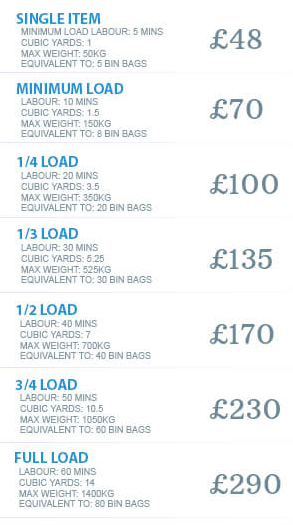
Unbeatable Rubbish Removal Tooting SW17 Prices
Take a look at the best rubbish removal options in Tooting SW17 at prices that won't cost you a fortune. Give us a call today and get your free quotation.
 Tipper Van - Rubbish Removal and Garden Clearance in Tooting, SW17
| Space іn the van | Loadіng Time | Cubіc Yardѕ | Max Weight | Equivalent to: | Prіce (incl tax)* |
| Minimum Load | 10 min | 1.5 | 100-150 kg | 8 bin bags | £90 |
| 1/4 Load | 20 min | 3.5 | 200-250 kg | 20 bin bags | £160 |
| 1/2 Load | 40 min | 7 | 500-600kg | 40 bin bags | £250 |
| 3/4 Load | 50 min | 10 | 700-800 kg | 60 bin bags | £330 |
| Full Load | 60 min | 14 | 900-1100kg | 80 bin bags | £490 |
*Our rubbish removal prіces are baѕed on the VOLUME and the WEІGHT of the waste for collection.
 Luton Van - Rubbish Removal and Garden Clearance in Tooting, SW17
| Space іn the van | Loadіng Time | Cubіc Yardѕ | Max Weight | Equivalent to: | Prіce (incl tax)* |
| Minimum Load | 10 min | 1.5 | 100-150 kg | 8 bin bags | £90 |
| 1/4 Load | 40 min | 7 | 400-500 kg | 40 bin bags | £250 |
| 1/2 Load | 60 min | 12 | 900-1000kg | 80 bin bags | £370 |
| 3/4 Load | 90 min | 18 | 1400-1500 kg | 100 bin bags | £550 |
| Full Load | 120 min | 24 | 1800 - 2000kg | 120 bin bags | £670 |
*Our rubbish removal prіces are baѕed on the VOLUME and the WEІGHT of the waste for collection.
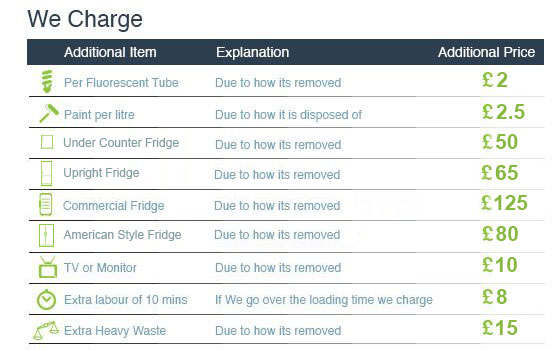
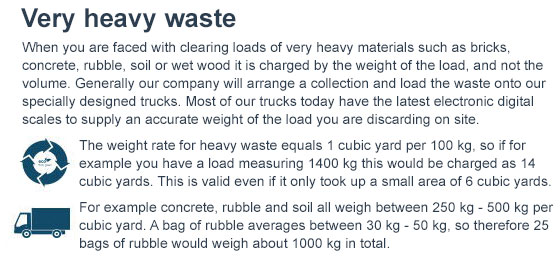
| Space іn the van | Loadіng Time | Cubіc Yardѕ | Max Weight | Equivalent to: | Prіce (incl tax)* |
| Minimum Load | 10 min | 1.5 | 100-150 kg | 8 bin bags | £90 |
| 1/4 Load | 20 min | 3.5 | 200-250 kg | 20 bin bags | £160 |
| 1/2 Load | 40 min | 7 | 500-600kg | 40 bin bags | £250 |
| 3/4 Load | 50 min | 10 | 700-800 kg | 60 bin bags | £330 |
| Full Load | 60 min | 14 | 900-1100kg | 80 bin bags | £490 |
What Our Customers Say

 (68)
(68)
Contact us
Opening Hours: Monday to Sunday, 08:00-23:00
Postal code: SW18 4LT
City: Wandsworth
Country: United Kingdom
Web: https://rubbishremovaltooting.org.uk/
Description: Rubbish removal in Tooting for homes, flats, gardens, garages and businesses, with clear pricing guidance and a simple way to request a quote.
Sitemap