Avoid hidden rubbish removal fees in Tooting
Posted on 12/08/2026

Avoid hidden rubbish removal fees in Tooting: a practical guide to honest quotes and fair pricing
If you have ever compared rubbish removal quotes and thought, "that seems fine," only to see the final bill creep up later, you are not alone. Hidden rubbish removal fees in Tooting can turn a simple clear-out into a mildly annoying, surprisingly expensive chore. The good news? Most of the nasty surprises are avoidable if you know what to look for before anyone loads a single bag.
This guide breaks down how pricing usually works, where extra charges tend to appear, and how to ask the right questions so you can book with confidence. It is written for anyone clearing a flat, a family house, a garage, an office, or just a pile of things that has somehow multiplied in the corner. Truth be told, a transparent quote saves more stress than people expect.
Why hidden rubbish removal fees in Tooting matter
Hidden fees are not just a budgeting nuisance. They can change which service feels affordable, how quickly you can clear a space, and whether the job feels straightforward or slightly bait-and-switch. In a place like Tooting, where homes range from compact flats to larger terraced properties, the shape of the job can change quickly. One minute it is a few broken chairs; the next, it is a staircase, a parking issue, and a van that needs an extra lift fee. Little things add up.
That is why the quote matters as much as the removal itself. If a price looks low but only works under perfect conditions, you may end up paying more than you planned. A good provider should be willing to explain what is included, what could change, and why. That conversation is a feature, not a nuisance.
It also matters for trust. When a company is clear from the start, it usually makes the rest of the service smoother too. You will notice this in the way they talk about access, item types, timing, and disposal. It tends to feel calm, not rushed. And that calm is worth paying attention to.
How hidden rubbish removal fees in Tooting works
Most rubbish removal pricing is based on a mix of volume, type of waste, access, labour, and disposal costs. The basics are simple enough, but hidden charges creep in where the job is harder than first described. For example, a quote might assume ground-floor access, normal household waste, and easy parking. If the reality is different, extra costs may be added.
Here are the usual pressure points:
- Volume estimates: If you understate how much you need removed, the price can rise on arrival.
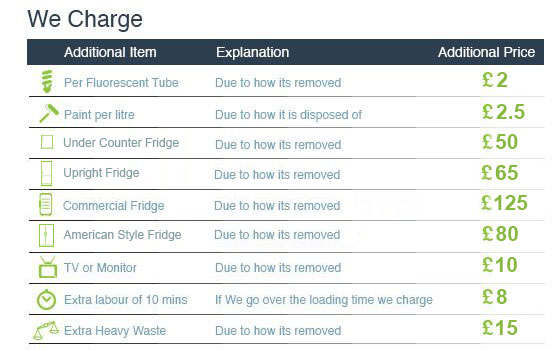
- Item type: Heavy materials, mixed waste, or special items may cost more to handle.
- Access: Tight stairs, no lift, long carries, or difficult parking can all affect labour time.
- Loading time: If the crew waits while you sort items, some firms charge for the delay.
- Disposal category: Different waste streams can carry different processing costs.
That does not automatically mean every extra charge is unfair. Sometimes the job genuinely changes once the team arrives. The issue is whether the pricing was explained clearly beforehand. If not, the quote was never really the full quote, was it?
For a clear overview of what a transparent service should cover, it helps to review the company's pricing and quotes information alongside the main services overview. That gives you a better sense of how a proper booking should be structured before you commit.
Key benefits and practical advantages
Choosing a provider that spells out costs properly gives you more than peace of mind. It often makes the whole project faster and easier. You can plan the day better, avoid awkward money conversations, and compare offers in a more honest way.
- Better budgeting: You know what the removal will likely cost before the van turns up.
- Fewer disputes: Clear terms reduce the chance of last-minute arguments.
- Faster decision-making: Transparent pricing makes comparison simple.
- Less disruption: You can arrange parking, access, and timing properly.
- More confidence: You are less likely to feel pushed into paying for something unclear.
There is also a practical benefit people sometimes miss: transparency helps you choose the right service level. A small domestic clear-out, a bulky furniture disposal, and a larger house clearance in Tooting are not the same job. If the quote is honest, you can match the service to the actual need instead of overpaying for a vague promise.
Who this is for and when it makes sense
This advice is useful for almost anyone arranging waste removal in the area, but it is especially relevant if you are:
- clearing a flat or maisonette with stair access
- moving home and dealing with leftovers that do not belong in a skip
- removing bulky furniture or appliance waste
- tidying a garden, garage, or loft after years of build-up
- managing an office clean-out with mixed office waste
- handling post-renovation debris or builders' waste
It also makes sense if you are comparing a man-and-van style service with skip hire. The cheapest headline price is not always the cheapest total cost. For some jobs, a quick junk removal service in Tooting may be more sensible than hiring a skip, especially if you do not want to organise permits or deal with loading everything yourself.
And if your job needs to happen quickly, perhaps before a tenancy handover or weekend guests arrive, same-day availability can matter. In those cases, it is worth looking at service timing carefully, including the note on same-day rubbish removal in Tooting Broadway SW17.
Step-by-step guidance
If you want to avoid hidden charges, the process should start before the crew arrives. Here is a straightforward way to handle it.
- List exactly what needs removing. Be specific. "A few bits" is too vague. Name the items if you can.
- Estimate volume honestly. A couple of bags, half a van, a full load - rough but realistic is better than optimistic.
- Describe access conditions. Mention stairs, parking limitations, narrow hallways, or long carries from the property.
- Ask what the quote includes. Labour, loading, disposal, congestion, parking, VAT, and any minimum charge should all be clear.
- Check whether the price is fixed or estimate-based. A fixed quote can help, but only if the details are accurate.
- Confirm how changes are handled. If more waste is found on arrival, what happens next?
- Get the main terms in writing. Even a simple email summary can help avoid confusion later.
If you are dealing with mixed waste, separating items before the booking can also help. For example, keeping reusable furniture apart from general rubbish may make the job cleaner and more predictable. In some cases, a dedicated furniture disposal service is the neater option.
Small tip, but an important one: send photos. Good pictures of the waste pile, the entrance, and the access route can reduce surprises more than a lengthy explanation over the phone. It sounds obvious. People still skip it all the time.
Expert tips for better results
Here is where a little local know-how helps. A strong quote is not just about the number; it is about what the number is based on.
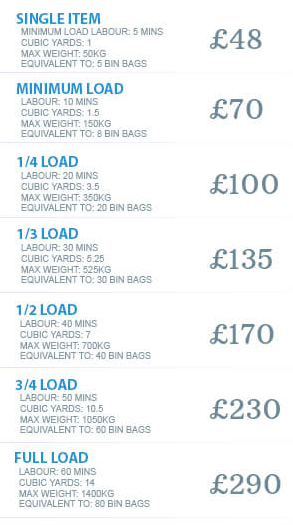
- Ask for the "what if" scenario. If the load is larger than expected, what is the next pricing band?
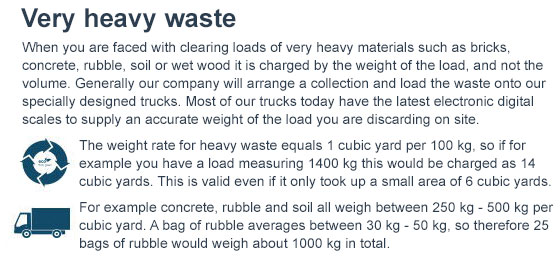
- Check if heavy items are treated differently. Soil, rubble, plasterboard, and similar materials can be priced differently from household rubbish.
- Clarify VAT early. Some quotes look attractive until VAT appears. That is a classic one.
- Watch for minimum charges. Even a small removal may have a base fee, which is normal if explained upfront.
- Confirm collection timing. A narrow collection window can matter if you need access coordinated with neighbours or building management.
- Use realistic load estimates. Overpacking a quote request usually backfires.
If your job involves renovation debris, it can help to speak about it as builders' waste rather than generic rubbish. That simple distinction matters. A provider offering builders waste clearance in Tooting will usually approach the job differently from a standard household collection.
The best pricing conversations are the boring ones: clear, specific, and a bit unglamorous. That is exactly what you want when money is on the line.
And yes, you can be polite but firm. Ask for clarity. Ask again if needed. A decent operator will not mind. If they do mind, that tells you something useful.

Common mistakes to avoid
The same few mistakes cause most bill shock. You do not need perfection, just a bit of realism.
- Giving a vague description of the waste. "Mostly junk" is not enough.
- Forgetting access details. Stairs, parking, and distance to the vehicle affect the job.
- Assuming heavy waste is treated like light waste. It often is not.
- Skipping the terms and conditions. Tedious, yes. Useful, absolutely.
- Choosing only on headline price. A cheap quote can hide a lot of "small extras."
- Not asking about disposal and recycling. Some customers care about this, and quite rightly.
There is another common one: not separating the job by service type. A garage full of old tools, tyres, and broken shelving is different from a simple bag collection. So is an office tidy-up. If that is your situation, look at the most relevant service rather than forcing everything into one generic request. For example, office clearance in Tooting is a better fit for business premises than a general household collection.
Also, be careful with "all inclusive" language. It sounds reassuring, but you still need to know what "all inclusive" actually covers. Otherwise it is just a pleasant-sounding fog.
Tools, resources and recommendations
You do not need specialist software to avoid hidden rubbish removal fees, but a few simple tools make the process smoother:
- Your phone camera: take wide shots of the waste, access route, and any awkward items.
- Notes app: keep a short list of items, estimated volume, and any access issues.
- Messenger/email: keep the quote details in writing where possible.
- Basic measuring tape: useful if you are unsure whether items will fit through a doorway or how much space they occupy.
For sustainability-minded customers, it is worth asking how the waste will be handled. A reputable provider should be able to explain its approach in plain English. If that matters to you, the page on recycling and sustainability is a sensible place to understand the broader approach before booking.
Likewise, if safety or insurance is on your mind - especially in tight stairwells, shared entrances, or properties with fragile surfaces - it is reasonable to check the company's insurance and safety information. That is not being picky. That is being sensible.
For readers comparing broader service options, the most useful starting point is often the services overview, followed by the pricing page, then the specific service page that matches your job.
Law, compliance, standards and best practice
Waste removal is not just about shifting items from one place to another. In the UK, there are expectations around lawful disposal, responsible handling, and accurate description of the waste being collected. You do not need to become a compliance expert, but it helps to know the basics.
Best practice usually includes the following:
- Clear waste descriptions: the provider should know what they are collecting.
- Honest quoting: estimates should be based on real job details, not a best guess designed to win the booking.
- Responsible disposal: waste should be taken to the appropriate facilities or processed correctly.
- Documentation and terms: customers should know how changes, cancellations, and payment work.
- Safe handling: especially for bulky, sharp, heavy, or awkward items.
If your clear-out includes sensitive materials, business waste, or items that might need special handling, ask more questions, not fewer. A good provider will talk through the process carefully. If the answers are rushed or slippery, that is a warning sign. Not a dramatic one, just a useful one.
You can also review the company's public pages on terms and conditions, privacy policy, cookie policy, payment and security, and modern slavery statement if you want a fuller sense of how the business presents itself. That kind of transparency tends to say a lot.
Options, methods and comparison table
There is no one perfect method for every clearance. The right choice depends on what you are removing, how quickly you need it gone, and how much handling you want to do yourself.
| Option | Best for | Possible hidden cost risk | What to check |
|---|---|---|---|
| Man-and-van rubbish removal | Mixed household waste, bulky items, quick clear-outs | Extra labour, access charges, load-size changes | What is included in the quoted load and how access is priced |
| Skip hire | DIY jobs, ongoing loading over a few days, large volumes | Permit costs, overfilling, restricted waste types | Permit needs, hire period, and skip size |
| Specialist clearance | House, office, loft, garage, or garden projects | Item-specific handling, sorting, access complexity | Whether the service matches the property type and waste type |
For many people in Tooting, the decision comes down to convenience. If you want the team to do the lifting and clear everything in one visit, a direct collection is often the least stressful route. If you are happy to load things over time, skip hire can work well. The key is comparing like with like, not just chasing the lowest headline number.
Case study or real-world example
Imagine a couple in a first-floor flat near Tooting Broadway who need to clear a sofa, two wardrobes, a broken desk, and a handful of bags after moving in together. They get one quote over the phone, but forget to mention that the flat has a narrow stairwell and no parking directly outside. The first price sounds brilliant. The final price, not so brilliant.
They then try again, this time sending photos and describing the access clearly. The second quote is slightly higher on paper, but it is realistic. The team arrives with the right equipment, the job is done in one go, and nobody has to negotiate about "unexpected difficulty" on the doorstep. That is the kind of outcome people usually want, even if they do not say it out loud.
A similar thing happens with garage clearances. A garage that looks like "just a few boxes" can hide old paint tins, tiles, timber offcuts, and heavy bits of metal. If the quote was based on the surface view only, costs tend to shift. When the description is honest from the start, the whole process is calmer. Less drama. More done.
If your clear-out is connected to a property move or a purchase, you may also find the local property guides useful, such as purchasing property in Tooting and Tooting property: a smart buyer's guide. They help frame the practical side of moving, decluttering, and timing a clear-out around a property transition.
Practical checklist
Use this before you confirm any rubbish removal booking.
- Have I listed everything that needs removing?
- Have I described heavy, awkward, or unusual items clearly?
- Have I explained access, stairs, parking, and distance to the vehicle?
- Do I know whether the quote includes labour, disposal, and VAT?
- Have I asked how the price changes if the load is bigger than expected?
- Do I have photos ready to send if requested?
- Have I checked the relevant service page for the job type?
- Have I read the terms and conditions?
- Do I understand the payment method and any deposit requirements?
- Have I asked what happens if access or timing changes on the day?
Quick takeaway: the less guesswork involved, the less chance of hidden charges. Simples, really.
Get a free quote today and see how much you can save.
Conclusion
Avoiding hidden rubbish removal fees in Tooting is mostly about clarity. Describe the job properly, ask direct questions, and make sure the quote matches your reality rather than a perfect-world version of it. That one habit can save time, money, and a fair bit of frustration.
If you are clearing a flat, house, office, loft, garage, garden, or a pile of odd bits after a move, there is almost always a cleaner way to structure the booking. And when pricing is transparent, the whole thing feels easier - almost boring, which is exactly what you want from waste removal. A simple, honest job done properly. That's the goal.
When you are ready to take the next step, choose the option that gives you the clearest explanation, not just the cheapest headline. Peace of mind counts for something, especially on a busy Tooting street with the day moving fast and the pavement already full of life.



 Tipper Van - Rubbish Removal and Garden Clearance in Tooting, SW17
 Luton Van - Rubbish Removal and Garden Clearance in Tooting, SW17