Rubbish clearance for flats on Upper Tooting Road SW17
Posted on 12/10/2026
Rubbish clearance for flats on Upper Tooting Road SW17: a practical guide for busy residents
If you live in a flat on Upper Tooting Road SW17, rubbish clearance can be one of those jobs that looks simple until you're standing in a narrow hallway with a broken wardrobe, a few bin bags, and no lift that quite does the job. Rubbish clearance for flats on Upper Tooting Road SW17 is often about more than just taking things away. It is about handling access, timing, neighbours, stairs, shared entrances, and making sure the whole thing is done neatly and safely.
This guide breaks down how flat clearance works in a real London setting, what to expect, what to avoid, and how to choose the most sensible option for your home. Whether you're clearing a single bulky item or dealing with a bigger flat declutter, the aim is to make the process feel manageable. Honestly, it's usually less dramatic than people fear - once the plan is right.
Why rubbish clearance for flats on Upper Tooting Road SW17 matters
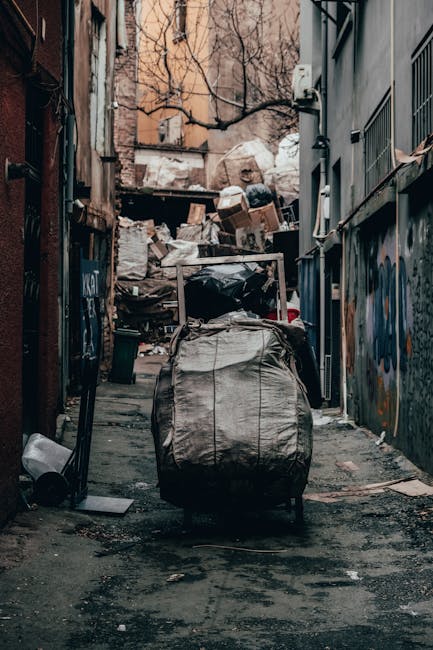
Flat clearance in this part of South London has its own rhythm. You're often dealing with shared corridors, limited parking, neighbours who do not want bags left in the stairwell, and the simple fact that moving waste through a flat building is awkward. A sofa that looks light on paper can become a small engineering problem by the time it reaches a tight landing. It happens.
That is why proper rubbish clearance matters. It reduces disruption, keeps communal areas tidy, and helps you avoid the sort of last-minute stress that creeps in when waste starts piling up indoors. If you are moving out, renovating, handling a tenancy end, or just reclaiming space, the way you clear rubbish can make the whole experience feel controlled rather than chaotic.
There is also the everyday comfort side of it. Flats can feel smaller very quickly when the spare chair, the old mattress, and three half-filled bags of "we'll deal with that later" all start competing for space. Getting rid of waste promptly changes the mood of the home. You notice the extra light, the quieter corners, the easier walk from kitchen to living room. Small thing, big effect.
For local readers who are also weighing up wider home changes or a move in the area, a few related pages may help you think through the bigger picture, such as property buying considerations in Tooting or a broader look at what makes the area work for residents.
How rubbish clearance for flats on Upper Tooting Road SW17 works
At its simplest, flat rubbish clearance follows a straightforward pattern: assess what needs removing, plan access, collect the items, sort what can be recycled or reused, and dispose of the rest responsibly. But in flats, the "simple" part needs a little more thought.
1) Assess the load
Start by separating general waste from bulky items. A few bin bags, some packaging, and a broken table can often be handled in one visit, but large furniture, electrical items, or heavy rubble may need a different approach. The clearer you are at the start, the smoother it goes later.
2) Check access
With flats, access is everything. Is there a lift? Are there stairs only? Can a van stop outside without blocking traffic? Is the hallway wide enough for a mattress to turn the corner? These details matter because they affect both timing and how the collection is carried out.
3) Plan the removal route
A good clearance plan avoids damage to walls, bannisters, and communal flooring. This is especially important in older blocks where the corridor width is never quite generous, and the turning angles seem designed by somebody who hated wardrobes.
4) Separate reusable and recyclable items
Not everything belongs in the same pile. Furniture in usable condition, cardboard, metal, some electricals, and green waste may be sorted differently depending on the service used. If you have items suitable for donation or reuse, raise that early so they can be set aside before loading begins.
5) Remove, load, and tidy up
The best jobs do not stop at removal. They finish with a quick check that the flat, stairwell, and entry route are left tidy. In a building with shared access, that final sweep matters as much as the lifting itself.
If you want to compare broader service types in advance, it can help to look at the wider services overview or see how a more general rubbish clearance service in Tooting is positioned across different property types.
Key benefits and practical advantages
People usually think of rubbish clearance as a convenience service. Fair enough, it is. But for flats on Upper Tooting Road SW17, the benefits go a bit further than saving yourself a van hire and a sore back.
- Less hassle in a tight space: Flats are rarely built for easy bulk disposal. A managed clearance saves multiple trips up and down stairs.
- Better neighbour relations: Shared buildings work best when corridors, entrances, and pavement edges stay clear.
- Faster turnaround: If you need a room empty for decorators, letting agents, or a move, a focused clearance keeps things moving.
- Safer handling: Heavy or awkward items can be tricky in compact hallways, especially if you're doing it alone.
- More recycling potential: A well-run service can separate recyclable material more effectively than a rushed DIY run to the tip.
- Less hidden admin: No need to organise vehicle access, lifting gear, or disposal logistics yourself.
There is also a psychological advantage people do not always mention. Once clutter starts leaving the flat, the whole place feels lighter. Suddenly the spare room becomes a spare room again, not a storage cave with a lamp. That shift can be oddly motivating.
For anyone interested in recycling or rehoming items, the related guidance on recycling and sustainability and donation-friendly disposal options may be useful.
Who this is for and when it makes sense
Rubbish clearance for flats on Upper Tooting Road SW17 is not just for major clear-outs. In practice, it suits a lot of everyday situations.
Common situations
- Tenancy end or moving day: You need the flat empty and presentable, quickly.
- Post-renovation debris: Old units, packaging, offcuts, and broken fittings tend to appear all at once.
- Furniture replacement: A new bed, wardrobe, or sofa arrives before the old one has gone. Classic.
- Deep decluttering: You've finally decided that the hallway should not be a museum of old storage boxes.
- After a bereavement or family change: When the job carries emotional weight, a careful, respectful clearance can make things more manageable.
- Shared flat issues: Sometimes nobody wants to own the rubbish, but it still has to go. Shared living, eh?
This service makes sense whenever the items are too many, too heavy, or too awkward for normal bin collection. It is also useful when timing matters and you want the job done in one clean sweep rather than spreading it over several weekends that never quite happen.
If you also have larger furniture to remove, the page on furniture disposal in Tooting may help you judge what kind of clearance fits best.
Step-by-step guidance
If you are planning rubbish clearance from a flat, a little preparation goes a long way. Here's a practical way to tackle it without turning the whole day into a saga.
- Walk through the flat with a clear eye. Make a quick list of everything to remove: bags, furniture, appliances, cardboard, broken bits, and anything stored in cupboards or balconies.
- Separate keep, donate, recycle, and clear. It sounds obvious, but in the middle of a busy flat, items get mixed together fast.
- Measure awkward pieces. If you know a sofa is tight around the corner, mention it early. Same goes for fridges, wardrobes, and beds.
- Check building rules. Some blocks have quiet hours, loading restrictions, or lift booking procedures. Better to ask than improvise.
- Clear access routes inside the flat. Move smaller items away from doors and hallways so removal is quicker and safer.
- Confirm parking or stopping space. A van that cannot get near the building can turn a simple job into a tedious one.
- Keep fragile or personal items separate. This is especially important when clearance is happening around a move or a family estate.
- Do a final room check. Before the team leaves, quickly scan cupboards, balcony corners, and behind doors. People forget things there all the time.
A good rule? If you can point to it and say, "that must go," it should be separated before the work starts. That tiny bit of prep saves a surprising amount of time.
Expert tips for better results
After handling plenty of clearance jobs in compact London properties, a few patterns become obvious. The jobs that go best are nearly always the ones where the details were thought through early.
Be clear about access, not just items
Many people focus on the pile of rubbish and forget the route out. But in flats, access can be the deciding factor. Mention stairs, lifts, entry codes, concierge arrangements, and parking constraints upfront. It saves the awkward back-and-forth later.
Group similar items together
Books with books. Cardboard with cardboard. Furniture in one corner. Appliances near the exit if possible. This kind of sorting does not just look tidy; it speeds up loading and helps with recycling decisions.
Take photos if the clearance is large
Even a few phone pictures can help when explaining the scope of a job. They also help you remember what was agreed if the flat contains more than one storage area. Very handy when the job is happening after work and your brain is half on autopilot.
Ask about reuse early
Some items can be rehomed if they are in decent condition. If that matters to you, say so before collection day rather than after everything has already been bagged.
Choose timing carefully
Early morning or midday slots often work better in blocks with shared access. You may avoid the build-up of foot traffic, school-run noise, and the general rush that can make things less pleasant for everyone.
Practical summary: the easiest flat clearances are usually not the smallest ones. They are the ones where access, item type, and timing were thought about in advance. That's the real secret, if you can call it a secret.
Common mistakes to avoid
A lot of clearance problems come from assumptions. People assume the lift will be free. They assume the sofa will fit. They assume the council collection will take the lot. Then the day arrives and, well, the plan starts wobbling.
- Leaving everything until the last minute: This is the classic one. Rubbish spreads. Time disappears.
- Underestimating bulky items: A single wardrobe can be far more awkward than three bags of rubbish.
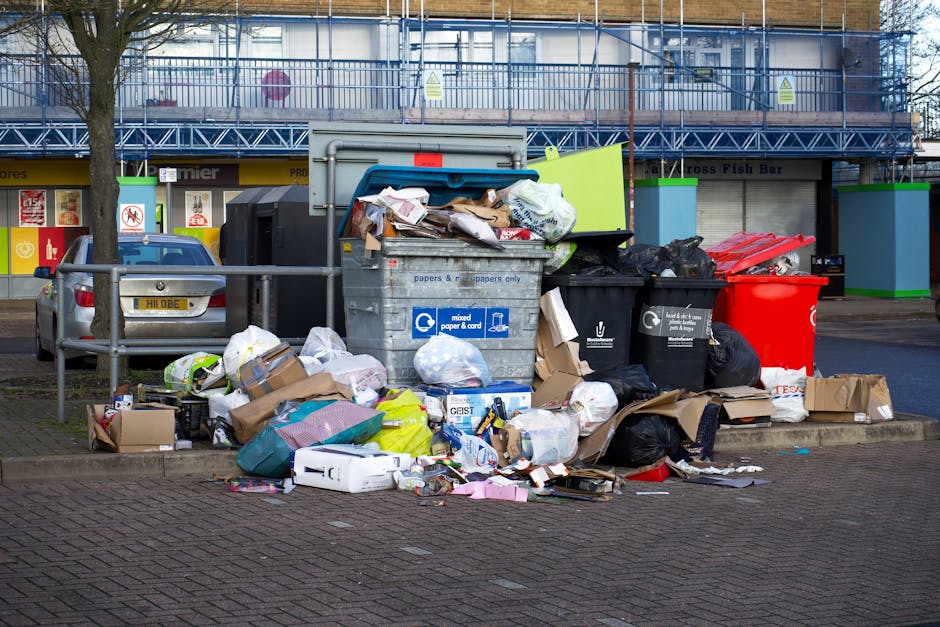
- Ignoring communal areas: Leaving bags in the hallway is rarely popular, and for good reason.
- Not checking parking or access: If a vehicle cannot stop close enough, the clearance becomes slower and less efficient.
- Forgetting mixed waste rules: Not everything should be dumped together, particularly if you want more recycling to happen.
- Not separating valuables or documents: Old paperwork and memory-box items can get swept into the wrong pile in a flash.
There is also a less obvious mistake: trying to make the job heroic. You do not earn extra points for bruising your shins carrying a heavy chest of drawers down two flights of stairs. Some jobs are just better handled properly.
Tools, resources and recommendations
For flat rubbish clearance, the most useful tools are often the simplest ones. You do not need a warehouse of gear, but a bit of preparation helps a lot.
Helpful practical items
- Heavy-duty bags: Useful for mixed lightweight waste and soft items.
- Labels or tape: Handy for marking keep, donate, recycle, and clear piles.
- Measuring tape: Important for bulky furniture and narrow hallways.
- Gloves: A basic but sensible choice if you are sorting debris.
- Phone camera: Good for record-keeping, item tracking, and space planning.
- Door protectors or blankets: Useful if anything delicate must be moved through tight areas.
In terms of reading and planning, the most useful website pages are usually the ones that explain how the service works, what it costs, and how safety is handled. If you want to compare broader service details, start with pricing and quotes, then check insurance and safety information before making a decision.
For some homes, a specialist service such as house clearance or loft clearance may be more suitable than a general rubbish collection, especially if the flat contains a lot of stored items rather than just loose waste.
Law, compliance, standards, or best practice
Waste handling in London should always be done carefully and responsibly. You do not need to become an expert in waste law to arrange a clearance, but it does help to understand the basics.
In practice, the key point is simple: waste should go to appropriate, authorised facilities and not be fly-tipped or left in places where it creates nuisance or risk. If you are using a clearance service, it is sensible to check that they understand proper waste handling, recycling routes, and safe disposal methods. That includes how they handle mixed waste, furniture, electrical items, and any material that needs special care.
For flat residents, there is also a shared-building angle. Keep corridors, lobbies, exits, and fire routes clear. That is not just courtesy; it is common sense and, in many buildings, a basic requirement. If you are arranging a collection yourself, avoid leaving rubbish in communal areas for long periods. It can create complaints quickly, and nobody wants that.
Best practice also means being honest about what needs removing. If there are sharp items, heavy fragments, or anything damaged in a way that makes handling tricky, say so. The safer the description, the safer the job.
Options, methods, or comparison table
There are a few ways to clear rubbish from a flat on Upper Tooting Road SW17. The right choice depends on how much you have, how quickly it needs to go, and how easy the access is.
| Option | Best for | Pros | Trade-offs |
|---|---|---|---|
| DIY tip run | Small loads, flexible schedules | Can work for a few bags or items, direct control | Time-consuming, parking and loading hassle, multiple trips |
| Skip hire | Ongoing renovation waste, larger volumes | Useful if you expect waste to build over several days | Needs space outside, may be awkward for flats with limited access |
| Man and van clearance | Bulky items, mixed loads, fast removal | Good for flats, quicker than DIY, less physical strain | Pricing and scope vary, needs clear item list |
| Specialist clearance | Full flat clear-outs, sensitive situations, bigger jobs | Organised, efficient, often better for complex removals | May need more planning beforehand |
For many flats, a man-and-van style rubbish clearance is the most practical. It fits the reality of stairs, shared spaces, and limited parking better than a full skip in the road. That said, if you're doing a renovation and waste will keep coming, skip hire may still be the smarter route.
If your waste is more construction-related, the dedicated builders waste clearance in Tooting page may give you a better sense of the right approach.
Case study or real-world example
Here's a realistic example. A one-bedroom flat on Upper Tooting Road had a mix of items to clear: two broken bedside tables, a small sofa, five bin bags of general clutter, flat-pack packaging, and an old TV stand. The resident worked long shifts and could only manage the sort and prep in short bursts after 8pm, which is a pretty common London pattern, truth be told.
The key to making the job manageable was not speed. It was order. First, the resident separated paperwork and personal items from general waste. Then the sofa dimensions were checked against the stairwell width, and the route through the communal hallway was cleared. A neighbour had requested that the shared landing stayed tidy, so the load was staged just inside the flat rather than outside the door. Small detail, but it mattered.
On collection day, the items were removed in a single visit because the scope had been explained clearly in advance. The result was a flat that looked bigger, quieter, and far less stressful to live in. The resident said the best part was not the empty space itself, but the feeling that the job had finally stopped hanging over them. That's a real thing, and if you've ever stared at a half-cleared room for three weeks, you'll know exactly what that means.
Practical checklist
Use this checklist before booking or carrying out rubbish clearance for a flat on Upper Tooting Road SW17.
- List every item to be removed.
- Separate valuables, documents, and keep items.
- Measure bulky furniture and appliances.
- Check lift access, stairs, and any building rules.
- Confirm parking or stopping arrangements.
- Decide what can be recycled or donated.
- Clear the route from rooms to exit.
- Protect floors or walls if needed.
- Ask about handling of electronics and special items.
- Do a final scan of cupboards, balcony corners, and under beds.
- Make sure communal areas are left clean and clear.
Quick expert reminder: a tidy start almost always leads to a tidier finish. The more clearly you define the job before anyone begins lifting, the less likely you are to run into surprise delays.
For readers planning a broader refresh of their flat, you may also find furniture disposal, junk removal, or rubbish collection helpful depending on the mix of items involved.
Conclusion
Rubbish clearance for flats on Upper Tooting Road SW17 is really about making a complex little job feel simple. Flats bring their own challenges, especially with stairs, shared access, parking, and the occasional awkward sofa that refuses to cooperate. But with the right plan, the right timing, and a clear idea of what needs to go, the whole thing becomes much easier to manage.
The biggest wins usually come from small decisions made early: sorting items before collection, checking access, protecting communal areas, and being honest about the volume of waste. Do that, and the clearance becomes less of a headache and more of a reset. A cleaner flat, a calmer hallway, fewer things in the way. That's the kind of practical progress people really feel.
If you are ready to get the job moving, taking the next step is straightforward.
Get a free quote today and see how much you can save.
And if all you do tonight is make the first pile by the door, that's still progress. Proper progress.



 Tipper Van - Rubbish Removal and Garden Clearance in Tooting, SW17
 Luton Van - Rubbish Removal and Garden Clearance in Tooting, SW17