Rubbish recycling and donation options near Tooting Market
Posted on 02/09/2026

If you have ever stood near Tooting Market with a bag of unwanted bits in one hand and a donation-worthy lamp in the other, you already know the problem: not all waste is waste, and not everything should go to the bin. Rubbish recycling and donation options near Tooting Market are about making the right call quickly, whether you are clearing out a flat, sorting a few household items, or trying to avoid adding perfectly usable things to the rubbish stream. It sounds simple. In real life, it usually isn't.
This guide walks you through the most sensible ways to reuse, recycle, and pass things on around Tooting, with a focus on practical decisions, common mistakes, and the quickest route for busy people. You will also find a simple checklist, a comparison table, and a realistic example so you can act with confidence rather than guesswork.
Why rubbish recycling and donation options near Tooting Market matter
Tooting Market sits in a busy part of SW17, where homes are compact, turnover can be quick, and people often need to make decisions on the fly. That creates a very local kind of clutter: boxed-up kitchenware after a move, duplicate furniture, old prams, bags of clothes, broken small appliances, and the occasional "I might fix that one day" item that has been sitting there for months. Let's face it, most of us have at least one of those.
Choosing the right outlet for each item matters for three reasons. First, it keeps usable goods in circulation. Second, it reduces what needs to be transported, processed, or dumped. Third, it saves you time and stress, especially when you are dealing with limited parking, busy pavements, or a flat above the shops where every trip downstairs feels like a tiny project.
There is also a wider neighbourhood benefit. Around a lively area like Tooting Market, tidy frontages and sensible waste handling make the streets feel calmer and more welcoming. You notice it on a Monday morning, when the area is quieter and the pavements are clearer. Small thing? Maybe. But it adds up.
If you are already thinking about a bigger clear-out, it can help to understand broader local services too. For example, recycling and sustainability practices are often best planned alongside your disposal choices, especially when you have mixed materials or a lot of items to move.
How rubbish recycling and donation options near Tooting Market work
The basic idea is to sort items by condition and material. That sounds obvious, but it is the step most people rush. Before anything leaves your home, ask three questions: can it be reused, can it be recycled, or does it need specialist disposal? If the item is still working and safe, donation is often the first place to look. If it is broken down into materials that are commonly recyclable, recycling may be the better route. If it is damaged, contaminated, or bulky in a way that makes reuse unrealistic, then a proper collection or clearance option may be needed.
Near Tooting Market, people usually combine several methods. A bag of clothes might go to a donation point. A flat-pack shelf might be dismantled for recycling where possible. A damaged mattress or broken wardrobe may need a collection service. That mix-and-match approach is often the fastest and most sensible. One size rarely fits all.
In practical terms, the process usually looks like this:
- Separate items into keep, donate, recycle, and dispose piles.
- Remove anything hazardous, wet, contaminated, or food-stained.
- Check whether larger items can be broken down safely.
- Choose the most suitable route for each category.
- Arrange transport or collection so you are not left with a pile in the hallway for a week.
It helps to be realistic about what local donation points can accept. Charities and reuse outlets often prefer clean, usable items with all the parts present. If a chair wobbles, a kettle leaks, or a toy is missing pieces, that item is less likely to be accepted. Not impossible, just less likely. Sometimes people overestimate how "nearly fine" an item is. We all do it.
If you need a broader clear-out rather than a few standalone pieces, a rubbish collection in Tooting can be the cleaner option, especially when you have mixed loads and want everything dealt with in one visit.
Key benefits and practical advantages
The best recycling and donation choices do more than reduce waste. They make the whole job easier.
- Less clutter, faster: Sorting early prevents the "I'll decide later" pile from growing legs.
- Better value from your items: A usable table or bicycle can help someone else far more than it helps in storage.
- Cleaner home transitions: This matters during moves, refurbishments, end-of-tenancy clearances, and house downsizing.
- More room for recycling: Once you separate reusable goods, it is easier to see what truly needs recycling or disposal.
- Lower risk of bad dumping decisions: You are less likely to leave items on the pavement or overfill bins in a hurry.
There is a practical emotional benefit too. Clearing out with a reuse-first mindset can feel less wasteful. A box of old books, a working toaster, or a spare bedside cabinet can have a second life, and that makes a difference. Some people care deeply about that. Others just want the spare room back. Both are fair reasons.
For larger clear-outs, you may find it useful to review the options in the services overview so you can match the type of waste with the right solution instead of paying for the wrong kind of help.
Who this is for and when it makes sense
Rubbish recycling and donation options near Tooting Market are useful for a surprisingly wide group of people:
- Renters who need to clear out before moving day or the final inspection.
- Homeowners who are updating rooms, replacing furniture, or decluttering after years of accumulation.
- Landlords and agents preparing a property between tenants.
- Local businesses dealing with old office furniture, packaging, display items, or storage room spillover.
- People downsizing who want to keep useful items in circulation rather than storing them forever.
- Anyone on a deadline who cannot afford to spend two weekends sorting a hallway full of stuff.
It also makes sense when you are handling mixed material loads. For instance, after a kitchen refresh, you may have packaging, broken shelving, old cookware, and a chair that still has life in it. That is exactly the kind of situation where a thoughtful mix of donation and recycling beats dumping everything together.
If the clear-out is linked to a property move, it may help to read a local guide like purchasing property in Tooting or a smart buyer's guide to Tooting property. They give useful context for why so many residents end up reorganising possessions around move-in or move-out timings.
Step-by-step guidance
Here is a simple way to handle the process without overcomplicating it.
- Do a quick room-by-room sweep. Start with the obvious places: under beds, utility cupboards, hallway shelves, and the "one day I'll sort that" corner.
- Mark usable items first. If something is clean, complete, and still functional, put it in the donate or reuse pile.
- Separate recyclables. Cardboard, metal, certain plastics, and untreated wood usually need different handling from mixed rubbish. If you are unsure, keep it simple and avoid mixing everything together.
- Set aside awkward items. Broken electronics, large furniture, and anything bulky should be treated separately. They often need a different route.
- Decide whether you need transport help. If you can carry it yourself, great. If not, the time saved by arranging collection is often worth more than the effort of multiple trips.
- Book the collection or drop-off. Don't leave the final step hanging. The pile will not disappear by being ignored. Annoying, but true.
A useful rule of thumb: if an item will take longer to clean, repair, and transport than it is worth, it may be better to choose recycling or disposal. If it is good enough that you would happily give it to a friend, then donation is probably the right first move.
If timing is tight, the article on same-day rubbish removal in Tooting Broadway SW17 is worth a look for situations where you need speed rather than a slow, phased clear-out.
Expert tips for better results
Over the years, the biggest improvement usually comes from better sorting, not from more effort. That is the slightly boring truth, but it holds up.
1. Start with the highest-value items. If you have a sofa, a table, or a working appliance that someone could reasonably use, deal with that first. It is easier to donate one good item than to unpick a whole room later.
2. Keep clean items clean. A donation bag that has been sitting next to rubble, food waste, or wet packaging can lose its donation potential fast. A small bit of separation makes a big difference.
3. Break down furniture where safe. Flat-pack units, tables, and shelving often become much easier to move once dismantled. Just keep screws and fittings in a labelled bag. Simple, but people forget this all the time.
4. Photograph items before passing them on. If you are offering things locally, photos help you identify whether something is still worth donating or whether it is actually just clutter with good intentions attached.
5. Think in categories, not single items. One bag of clothing, one box of books, one pile of cardboard. That mental split reduces decision fatigue and makes the job feel less overwhelming.
6. Know when to stop. If an item is borderline, damaged, or missing essential parts, do not spend an extra hour convincing yourself it is still a donation candidate. Sometimes it just isn't.
For mixed clearances, especially after home improvements, it can be useful to review house clearance in Tooting or furniture disposal options in Tooting so you can choose the most efficient route for bulkier items.

Common mistakes to avoid
Most waste-related problems come from rushing, not from bad intentions.
- Donating unusable items: Charity and reuse organisations need safe, clean, functional goods. A broken item is not a generous gesture. It is extra work.
- Mixing everything together: Once recyclables, donateables, and general rubbish get blended, sorting becomes slower and more expensive.
- Ignoring item condition: A scratched table may still be reusable. A water-damaged one is a different story.
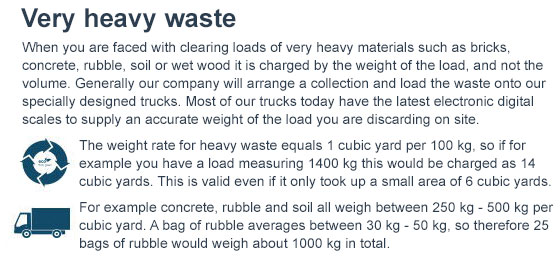
- Forgetting weight and access: That heavy wardrobe might look manageable until you meet a narrow staircase and a corner turn.
- Leaving it too late: Sorting a few bags the night before a move is a very different experience from planning ahead. Not a fun one, either.
- Assuming all recycling is the same: Materials often need separate handling. Cardboard is not the same as wood. Metal is not the same as glass. You get the idea.
A small, practical warning: some items that look recyclable may not be accepted if they are contaminated with food, paint, grease, or moisture. If you are unsure, keep them separate and check the guidance provided by the collection or reuse service you plan to use.
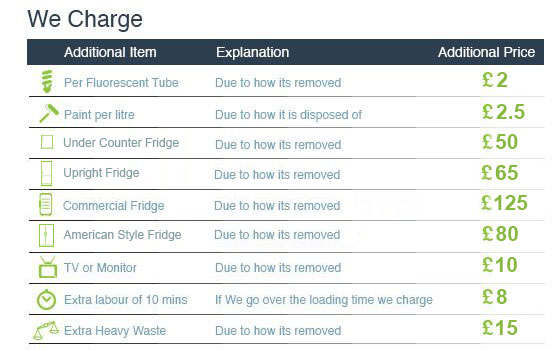
To avoid last-minute surprises, it can also help to read how to avoid hidden rubbish removal fees in Tooting. A little upfront clarity saves a lot of annoyance later.
Tools, resources and recommendations
You do not need a complicated setup to do this well. A few simple tools will make the process smoother:
- Four bags or boxes: one each for donate, recycle, dispose, and keep.
- Marker pen and tape: label boxes before they become mystery containers.
- Gloves: especially if you are handling dusty loft items or garage clutter.
- Basic screwdriver or Allen key set: helpful for dismantling furniture safely.
- Photo phone camera: useful for checking condition or sending item details to a donation outlet or collection provider.
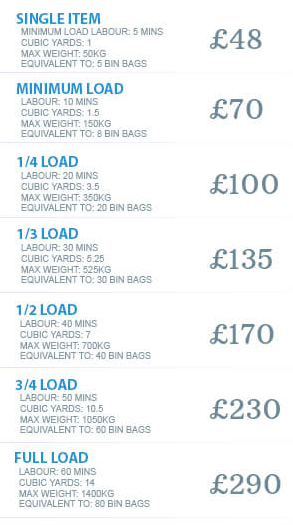
For local planning, many people also find it useful to keep a simple note of item types and approximate volume. That makes it easier to decide whether a light removal, a bulk clear-out, or a more specialist waste solution is the right fit.
If your project spans several rooms or includes awkward items, the most practical route may be a general waste removal service in Tooting rather than trying to stitch together multiple separate trips. And if you are dealing with something bigger, like a loft sort-out or garage pile-up, the relevant service pages can help you narrow the decision without overthinking it.
Law, compliance, standards, or best practice
When rubbish, recycling, and donation are discussed in the UK, the safest approach is to follow accepted best practice and use reputable handlers for anything you are not personally delivering or donating. You do not need to become a legal expert to do this properly, but a few common-sense principles matter.
First, do not leave waste on pavements, beside bins, or near market entrances unless there is a proper authorised arrangement. It may seem harmless at the time, especially if you are in a hurry, but it creates a nuisance and can easily become an enforcement issue.
Second, make sure hazardous or awkward items are handled carefully. This includes anything sharp, electrical, heavy, contaminated, or potentially unsafe to carry. If an item feels risky, treat it with caution. That is usually the right call.
Third, choose services or handlers that are transparent about what they do with collected materials. Good practice is to separate reusable goods where possible, keep recyclable material distinct from general rubbish, and avoid unnecessary landfill use. That is not about perfection. It is about reasonable, responsible handling.
For readers comparing providers, the insurance and safety information is worth checking, especially if you are arranging lifting, access through tight stairwells, or clearance in a shared building.
In short: handle items responsibly, be honest about condition, and do not guess if you are unsure. A little care goes a long way.
Options, methods, or comparison table
Different items need different routes. Here is a practical comparison to help you choose.
| Option | Best for | Strengths | Watch-outs |
|---|---|---|---|
| Donation | Clean, usable household goods, clothing, books, small furniture | Extends item life, supports reuse, usually the most satisfying option | Condition matters; not everything will be accepted |
| Recycling | Cardboard, metal, certain plastics, glass, some wood and electrical items | Reduces landfill use and recovers materials | Items often need sorting and may need cleaning first |
| Reuse/resale | Higher-value items in good condition | Can recover value and keep goods in circulation | Takes time, photos, messages, collection planning |
| Collection/clearance | Bulky, mixed, awkward, or time-sensitive loads | Fast, practical, reduces lifting and travel | Less selective unless you sort first |
| Special handling | Broken, contaminated, or heavy items | Safer and more appropriate for difficult waste | May require extra planning or separate arrangements |
If you are weighing speed against effort, the right answer is usually obvious once you know the item volume. A single bag of books? Donation or recycling may be enough. A two-bedroom flat after a refit? A more structured clearance route may save you a lot of grief.
For that broader planning stage, a page like loft clearance in Tooting can be useful when the job has spread into a hidden storage area and you need an efficient way to bring it back under control.
Case study or real-world example
Picture a fairly typical Saturday near Tooting Market. Someone has just finished a small bedroom refresh in a first-floor flat: a bedside table, a shelf unit, three bags of clothes, a box of books, an old lamp, some cardboard, and a printer that no longer works. Not a dramatic disaster. Just the sort of low-level clutter that quietly eats your time.
Here is how a sensible sort might go:
- The clothes are checked first. Clean, wearable pieces go into the donation pile.
- The books are separated into keep and pass-on stacks.
- The bedside table is inspected. If it is sound and presentable, it could be reused; if not, it moves to disposal.
- The shelf unit is dismantled, screws bagged, and timber separated from any metal fittings where practical.
- The broken printer is set aside for appropriate electrical handling rather than mixed with the cardboard.
At the end of that process, what looked like a single messy room becomes three clear decisions: donate, recycle, dispose. The job feels lighter almost immediately. And honestly, there is something very satisfying about a room that starts to breathe again.
If the same room had been part of a bigger move-out or renovation, a more complete service such as garage clearance in Tooting or office clearance in Tooting could have been the better fit, depending on the type of items involved.
Practical checklist
Use this quick checklist before you move anything out of the house:
- Have I separated reusable items from general rubbish?
- Are donation items clean, complete, and safe?
- Do any items need dismantling before moving?
- Have I kept recyclables apart from mixed waste?
- Are there any hazardous or heavy items that need special handling?
- Do I know where each pile is going?
- Do I have enough bags, boxes, or labels?
- Have I checked access, stairs, parking, and lift limitations if collection is involved?
- Have I allowed enough time so I am not rushing at the end?
- Have I chosen the route that is easiest, safest, and most sensible for the item condition?
If you can tick most of those without hesitation, you are probably in good shape. If not, pause for ten minutes and sort again. It's worth it.
Get a free quote today and see how much you can save.
Conclusion
Rubbish recycling and donation options near Tooting Market work best when you keep the process simple: reuse what still has life, recycle what can be recovered, and arrange proper removal for the rest. That approach saves time, keeps your home clearer, and makes the whole job feel less like a burden and more like a reset.
The good news is that you do not need to solve everything at once. Start with one box, one shelf, one room. A little sorting goes a long way, especially in a busy local area where space is precious and moving things around twice is the last thing anyone wants.
If you want the next step to feel easier, choose the route that fits the item, the timeline, and the access you actually have. Calm, practical, done. And that, truth be told, is often the nicest outcome of all.


 Tipper Van - Rubbish Removal and Garden Clearance in Tooting, SW17
 Luton Van - Rubbish Removal and Garden Clearance in Tooting, SW17